December Report
JFYG Culture Center
Art and Culture Activities
Japanese Independent Film Festival
“Japanese Indie films: the window of a new perspective”
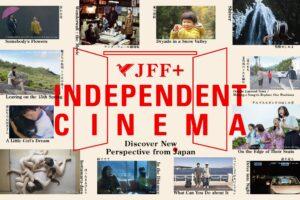
“JFF+ Independent Cinema” is the Japan Foundation’s new online film streaming program, which will screen a total of 12 Japanese indie films. From December 15 to March 15, the six films will be screened online for the first term. Synopsis, trailer and guidelines for how to watch are announced on Japanese Film Festival Myanmar Facebook page and the trailers were screened at the JFYG culture center to advertise the film festival.
Basic Shodo Class: Third Week
10 December, 1:00 pm, 3:00 pm
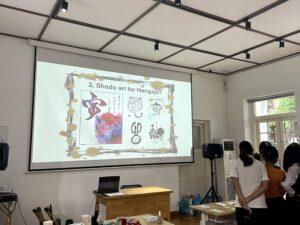
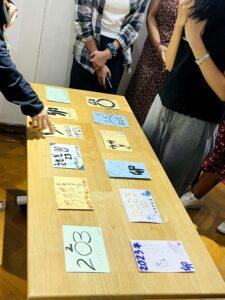
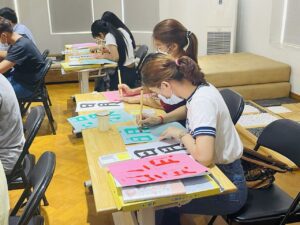
As the class has finished the first half and the year is about to end, the lesson of third week focuses on “making nengajo: Japanese new year greeting cards”. Yume sensei introduced the art of using Shodo in making nengajo and taught the students how they can apply in creating their own styles. The students were excited to make their first nengajo and satisfied to see their own artwork at the end of the class.
Kendo Club
On every Saturday, the Kendo Club continues to practice and do the club activities for beginner and senior classes. There are new club members who signed up for beginner class.
Culture Center and Reading Space
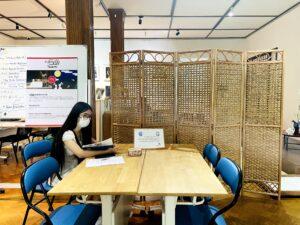
After closing the culture center temporarily for two weeks due to renovation of electrical appliances, it was reopened on 16 December. The reading space was decorated with Christmas Anime posters and Karesansui snowman. 158 people came to the culture center in December.
November Report
JFYG Culture Center
Art and Culture Activities
Culture Center Re-opening and Reading Space Opening for Japanese culture lovers
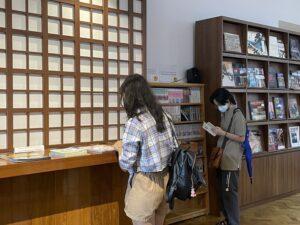
Just after the JFYG cultural activities resume occasionally on Saturday-s, there are demands from the visitors and Japanese language schools to increase the opening dates. Thus, starting from 12 November, JFYG re-opened the culture center to semi- physical mode on Tuesday, Thursday and Saturday along with new reading corner. Every month, the inner layout of culture center is curated into the Japanese seasonal theme: Tsukimi, Christmas, O shogatsu and Setsubun. As Japanese Language learners have limited access to Japanese literature books and cultural books, the reading corner displays all sorts of Japan-related books such as Manga, books of history, culture and philosophy, Japanese children storybooks, novels, and Japanese language learner books. Facebook announcement post of reopening went viral and started from November, around 20 visitors and some Japanese language schools come to cultural center per day to read the books and play Japanese games. 176 visitors came to culture center in November.
Saturday Yoke Shin: Pop-in Q Screening
19 Nov, 2 pm
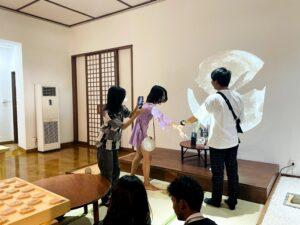
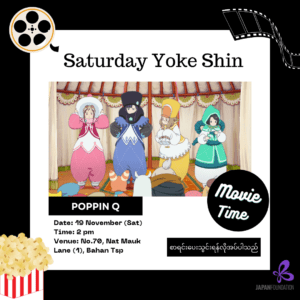
On the Saturday of the second week after reopening, we held the movie screening program called Saturday Yoke Shin in the culture center and Pop-in Q animation was shown. Pop-in Q is the musical animation directed by Naoki Miyahama and produced by Toei animation in 2016. 49 people came and enjoyed the movie.
Shodo Basic Class: Second Week
5 Nov, 1 pm & 3 pm
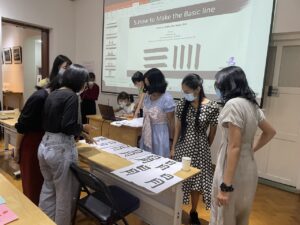
Starting from the second class of Basic Shodo course, there were relocation of the students into two different classes based on their language preference: Japanese and English. English language shodo class starts from 1:00 pm and Japanese language shodo class starts from 3:00 pm. After the class separation based on language, it is noticed that the students could absorb more and followed shodo strokes that sensei taught.
On second class, Yume sensei taught how to write “Tsuki” (Kanji). After that, she introduced the essential techniques. Then, the students write the Kanji again using the techniques. Then, sensei asked them to write the best shodo word for the competition and chose the best one for today class.
Kendo Club
On every Saturday, the Kendo Club continues to practice and do the club activities for beginner and senior classes. There are new club members who signed up for beginner class.
Report for October Activities
JFYG Culture Center
Art and Culture Activities
Shodo Class
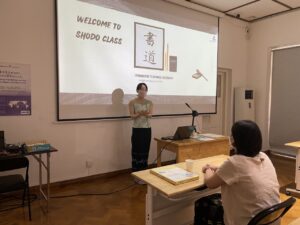
With the aim to introduce the art and essence of Japanese calligraphy, JFYG launched the 6-month basic calligraphy course in October.The class will be one class per month and the duration is one and half-hour for 20 students with Yume Shintani as the instructor. The basic content of the course includes the introduction to history of Japanese calligraphy, how to write basic characters by calligraphy, how to write characters of intermediate level by calligraphy, evaluation of the characters of the class students, how to write Kohitsu, how to write letters, seasonal words and CV form by Kohitsu and so on.
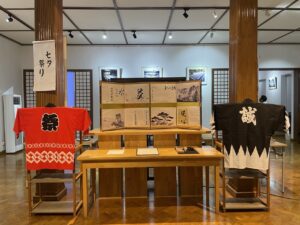
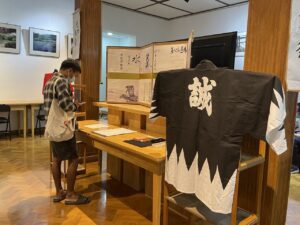
The Japan Foundation, Yangon will award the class completion certificates to those who have finished all the six classes and they will have the chance to become the club members of shodo club that JFYG will organize in the near future.
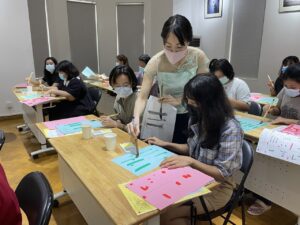
Being the first intensive Japanese calligraphy course, the launch of the class received much attention from the audience and over 120 registrants applied for the class. Thus, it lead to increase the class into two sessions to accommodate as many interested students as we can within our capacity and management. The language is not limited so those who don’t understand Japanese can also join. The classes were divided into Japanese language Shodo class and English language Shodo class based on the student language preference and Yume sensei language ability. On the first week, the students were given the mizu e shodo set to learn the basic strokes. On the second week, the 3 basic techniques of shodo were taught. The students practiced the 3 techniques until they have acquired them perfectly. After that, the students presented their best version of their calligraphy of the kanji “ 平和”and the teacher and students reviewed, compared and discussed the calligraphy works. Finally, the teacher and the students chose the best calligraphy of the week.
Do Talk #7 Sado (Tea Ceremony)
Sat, 22 October (2 pm – 4pm)
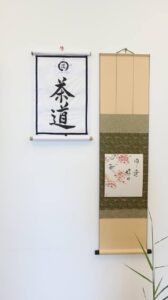
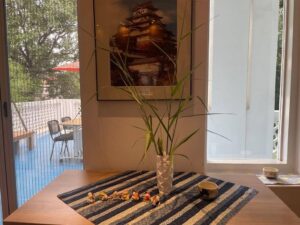
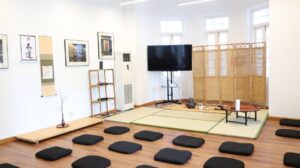
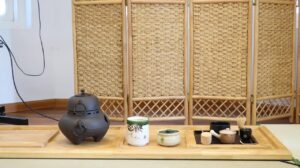
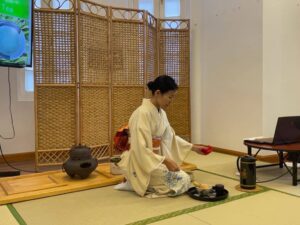
The Japan Foundation, Yangon strives to introduce Japanese traditional arts and culture to Japanese cultural lovers in Myanmar and in October, as the 7th event of Do Talk program, JFYG introduced Sado which is one of the popular Japanese traditional culture for Myanmar people. Japanese volunteers (Ms. Hyodo, Ms. Kashima and Ms. Oita) were invited as the speaker and to prepare the matcha for participants. The event was set up in an enclosed room, with tatami mats laid out for the speaker, Ms. Hyodo san, who would demonstrate as the host preparing the tea, to sit and to display the tea utensils set and traditional iron kettle. A small tokonoma was also set up with the hanging scroll of “一期に一度” calligraphy and the pampas grass flower arrangement.The participants were given a sitting seat to sit as the seiza position.
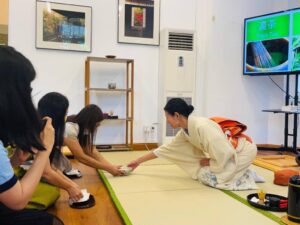
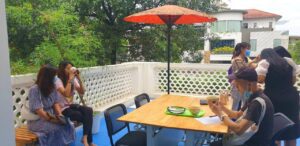
Ms.Hyodo, the speaker, firstly gave an explanatory presentation of Sado (the way of Japanese Tea and the philosophy of Sado that transcends from Sen no Rikyu’s time to today). After that, she demonstrated how the host prepares the tea for the guests step by step. After watching the demonstration, the participants were served Koicha (thick tea) with candies and usucha (thin tea) in beautiful chawans (tea bowls) with dango prepared by Ms. Kashima and Ms. Oita. All the participants enjoyed the taste of the combo of Japanese tea and dango and learnt the way of drinking tea and the guest etiquette (the way of whisking the tea, the way of rotating the chawan before drinking the tea, etc). The Sado event came to an end after the lively Q&A session between the volunteers and the participants and the participants enjoying the tea at the balcony with miniature Zen gardens.
The culture center continues to open on Saturday with Kendo club in the morning and cultural activities in the afternoon.
Report for September 2022
Arts and Culture activities at JFYG culture center
Highlights of September cultural events in JFYG
Aikido Demonstration and Workshop
10 September (Sat), 2 pm – 4 pm
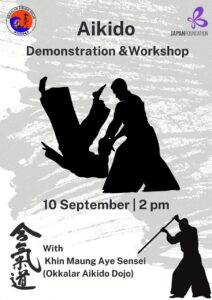
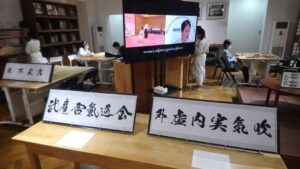
Growing interest in Japan’s Budo culture these years has led the Japan Foundation, Yangon to organize another Budo event in September. This time, Aikido, about which was introduced in the Do Talk series before, was presented to the audience in the form of demonstration and the workshop. Aikido is one of the well-known Budo in Myanmar and there are a dozen of Aikido dojo-s in Yangon with many Aikido practitioners varying from young to old age.
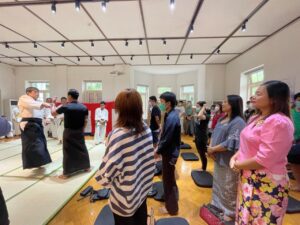
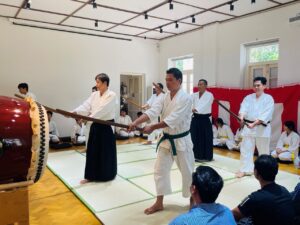
Mr. Khin Maung Aye who is an Aikido 4th Dan achiever and a sensei teaching Aikido in Oakkalar Aikido Dojo as the lead instructor and fellow Aikido practitioners of Aikido 2nd Dan achiever, Shodan achiever and various kyu rank members as the supporting demonstrators participated in the event. Before the demonstration starts, sensei introduced and explained the meaning of O Sensei’s underlying Aikido concepts such as “Matsakasu Agatsu”, “Shinmu fusatsu “.The demonstration covers all the entire training process since beginner level and various Waza-s performed by different ranks. In the workshop session, the demonstrators reached out to the audience and let the participants try the basic Aikido hand techniques and techniques to be used in real time situations on the street.
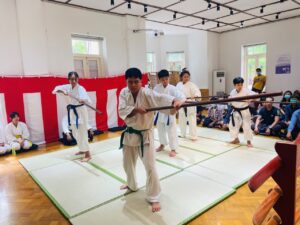
34 people participated in the event. The event has met the audience’s expectation and the participants were thrilled to have learnt about the Aikido down to the very details.
Bonsai and Japanese Gardens
24 September (Sat)
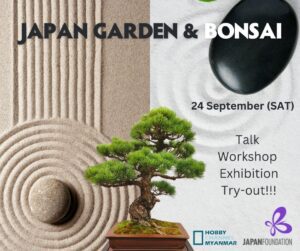
(a)Bonsai Workshop
10 am – 12 pm
One of the cultural hobbies that Myanmar audience can connect with Japan is Bonsai culture. Japan Bonsai grasped the interest of people in Myanmar since late 80s from the movies and books and became a life-long hobby for Myanmar people to make Bonsai in their gardens. Last year, as to connect Japan and Myanmar Bonsai artists, the Japan Foundation, Yangon organized the online talk and exchange session introducing Japan and Myanmar bonsai, their different ways of practice and different markets. The talk was a successful exchange and it has showed the path and way of authentic Japanese bonsai to Myanmar audience. However, it was limited for those who want to experience Bonsai in real, physical workshop.
Hence, this year, in collaboration with Hobby Channel Myanmar Bonsai team, the Japan Foundation, Yangon organized the introductory Bonsai workshop for Bonsai hobbyists and beginners on how to grow Bonsai efficiently by making the real time demonstration. The workshop was limited to 20 participants due to Covid-19 prevention.
(b)Japanese Gardens & Bonsai Exhibition
10 am – 4 pm
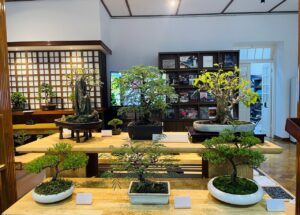
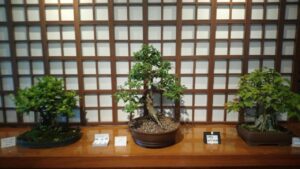
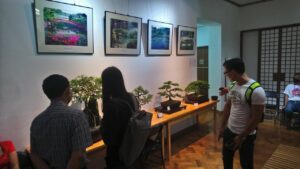
The Japan Foundation, Yangon Arts and Culture team created various models of Karesansui- Japanese dry gardens and Zen landscape gardens and curated the Japanese gardens to fuse with Japan Bonsai into an exhibition. The exhibition was held from 9:30 am in the morning to 4 pm in the evening for one day in the gallery space and open to the public. Japan Garden and Bonsai exhibition intend to introduce the Japanese aesthetics of wabi-sabi and simplicity to Myanmar audience. More than 100 people came and enjoyed the exhibition.
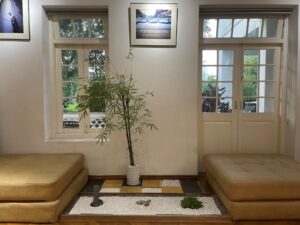
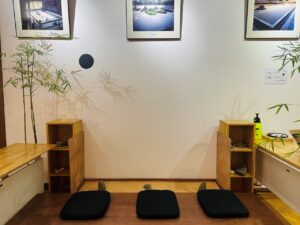
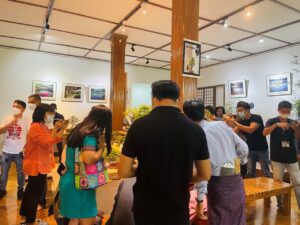
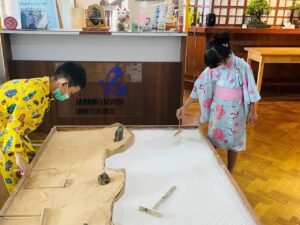
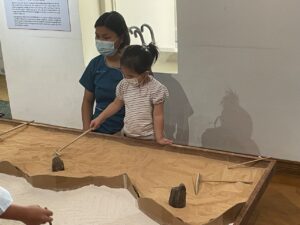
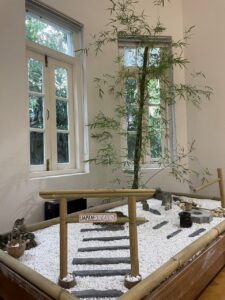
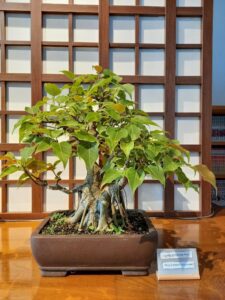
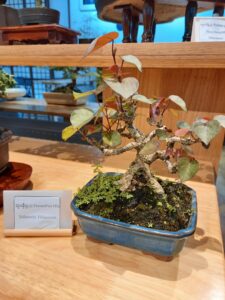
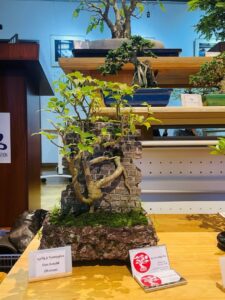
20 Bonsai plants of various species such as Nyaung-phyu (FIcus Rumphil), and different shapes of the same species such as Premna Microphylla were exhibited. A Japanese garden with yellow and white sand was put for the audience to try-out all the designs of Karesensui dry gardens. We displayed catalogue of Karesansui designs for the audience to try on and many children enjoyed drawing the waves, streams and oceans in the sand.
(c)“Introduction to Japanese Gardens” talk event
2 pm – 4 pm
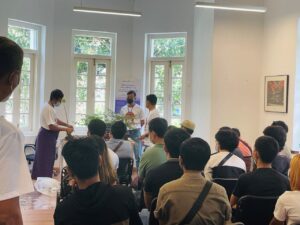
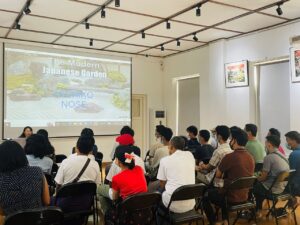
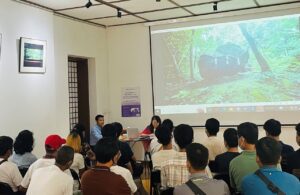
Along with the exhibition, in the parallel, “Introduction to Japanese Garden” talk event was held in the hall. Ms. Michiko Riko Nose, the author of the book “The Modern Japanese Garden” talked and introduced the historical background of Japanese gardens, elements of Japanese Gardens and types of Gardens varying from age to age. There were various Garden photos in each season hung on the hall to facilitate the speaker’s presentation. The talk was vibrant introducing the Japanese philosophy behind the garden designs with occasional comparison to Myanmar garden culture. 25 people attended the talk and enjoyed the discussion.
Report for August, 2022
Arts and Culture activities at JFYG culture center
Highlights of August cultural events in JFYG
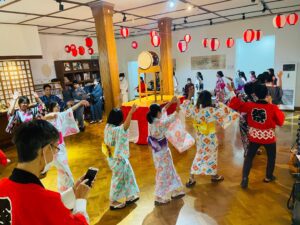
The month of August starts with the air of Obon season at JFYG culture center. A Yagura stage in the center of space, Obon chouchins hung in the air, a pair of Syoryou-Uma (eggplants and cucumber) are decorated to give the visual representation of the actual Obon atmosphere in Japanese neighborhood.
Culture center continues to be open on every Saturday with specific cultural events held by JFYG and some events by Japanese cultural clubs. JFYG endeavors to deliver the cultural events according to the request and interest of the public collected from the surveys. In August, we conducted Obon Festival, Do Talk#6 Kendo workshop and Summer festival. As usual, Kendo club does weekly keiko training for beginners and seniors. Origami club organized a recruitment event calling for more club members. Details of each event will be reported below along with photos.
(1) Obon Festival
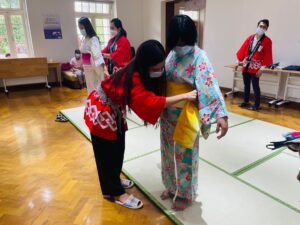
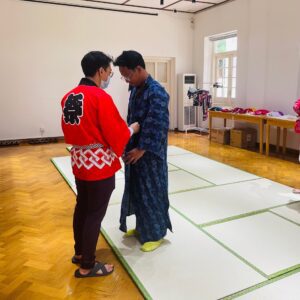
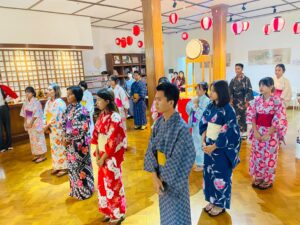
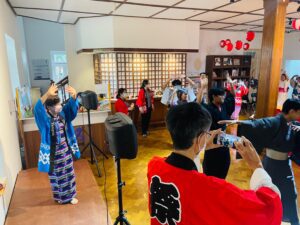
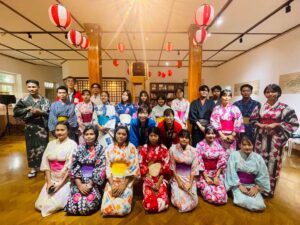
Active participation of the public in Tanabata festival encouraged us to organize another seasonal community cultural event in August. On 13th of August, which is the last day of Obon festival, we did the Obon Festival with Bon Odori dance session in our culture center from 2 pm to 4 pm. 21 people registered for the festival. Tominaga sensei and another volunteer from Japanese school were invited as the dance instructors.
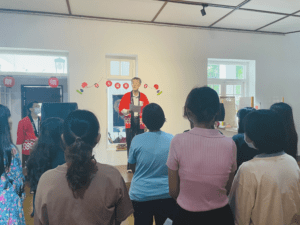
The festival starts with an explanation about the history of Obon festival and Bon Odori by the program officer, followed by the participants wearing Yukata and dancing the Bon Odori songs. Sensei-s introduced Tokyo Ondo and Tanko Bushi songs, explained the dance moves to the participants and finally danced together circling the yagura stage. Everyone could follow the dance and enjoyed the dance session.
(2) Do Talk#6 Kendo
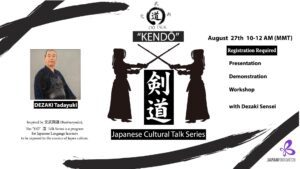
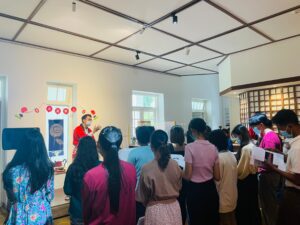
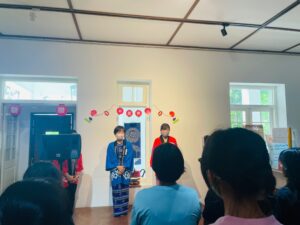
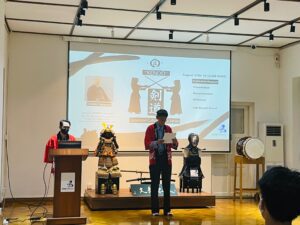
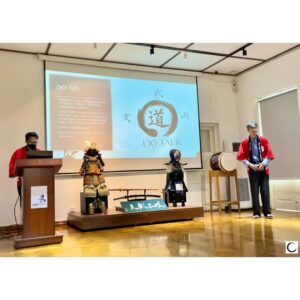
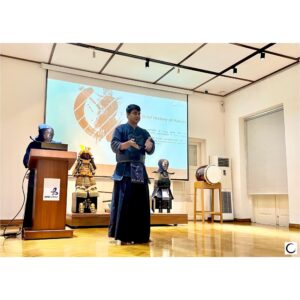
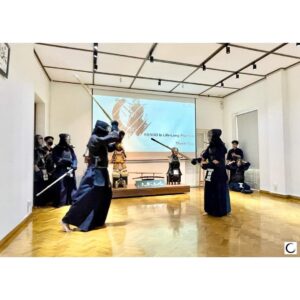
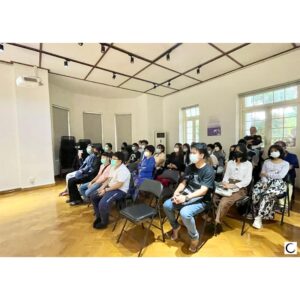
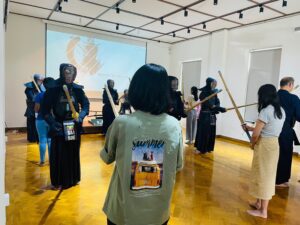
After physical events resume in JFYG culture center and after the Kendo Club starts doing training at JFYG space in July, we planned to organize the Kendo Talk event as the final event of Do Talk series based on the theme of Spirit of Budo. On 27 August, the event was held in 2 sessions: from 10 am to 12 pm and from 2 pm to 4 pm. 24 people joined for morning session and 17 people joined for evening session.
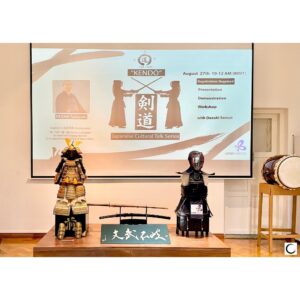
Originally, Do Talk program was designed for the one of the Japan Foundation Travelling Exhibitions: Sprit of Budo as a fringe, and as Samurai is popular Pop culture and Kendo is still new to Myanmar people, JFYG prepared not only for talk session but also to feel the aesthetic and essence of authentic Budo Culture and history.
To show the transformation from Bujutsu to Budo, Yoroi and Kendo gear Bogu were displayed side by side on the stage. The event started with the presentation about the Spirit of Budo and its relation with Do Talk series, followed by the introductory presentation about Kendo by Kendo Club, Kendo demonstration led by Dezaki sensei and finally Kendo workshop. The demonstration includes Rei, kihon-geiko, gokaku-geiko and mohan geiko and the workshop includes how to strike the shinai and hit the Men. Just as the first physical Do Talk event and the last to wrap up the Do Talk series, we hope we could send out the spirit of Budo to the participants.
(3) Natsu Matsuri (Feel the summer in Japan)
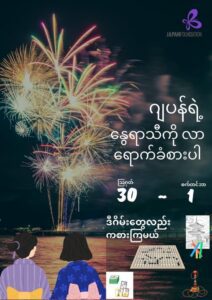
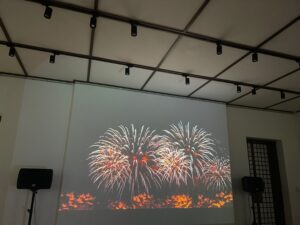
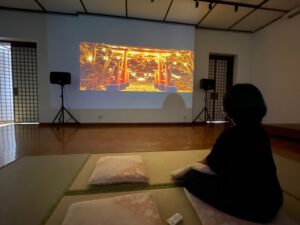
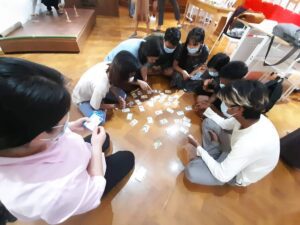
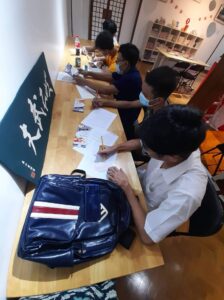
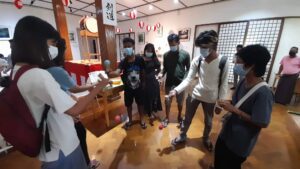
“Feel the Summer in Japan” is another seasonal event that is held for 3 days from 30 August to 1 September, featuring the virtual Hanabi and summer games to give the summer vibe in Japan. There is no registration required and participants can come and enjoy anytime between 9:30 am to 4 pm. After watching the virtual Hanabi on the Tatami mat in the hall room, the participants played Wanage (ring toss game), Nurie (coloring) activity, Karuta card games and Igo. 40 participants visited during the event and the participants said in survey that they enjoyed the summer atmosphere in culture center.
(4) Recruitment Day by Origami Club
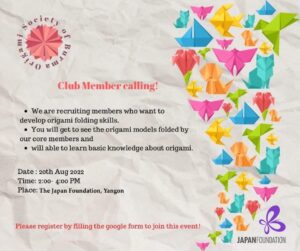
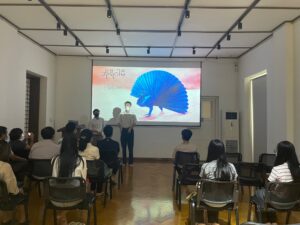
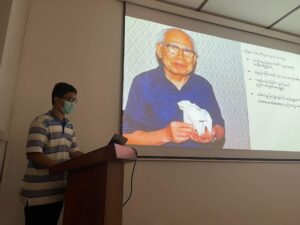
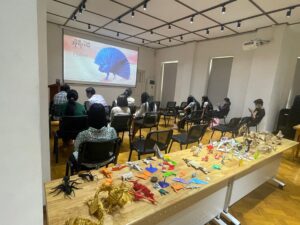
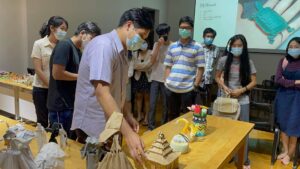
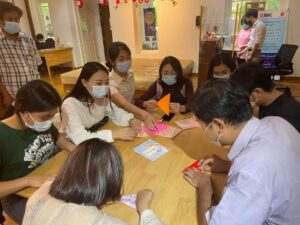
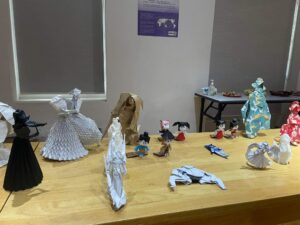
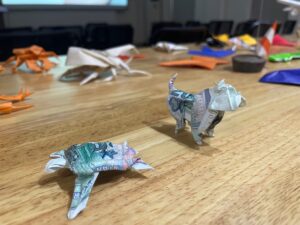
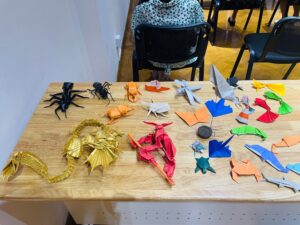
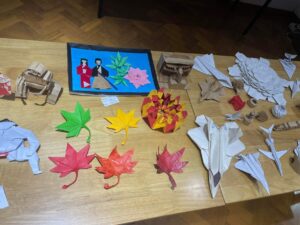
To reach out to more Origami folders in Myanmar and to sustain the club, Origami Club organized a recruitment day along with the mini Origami exhibition at JFYG culture center on 20th of August from 2 pm to 4 pm. 22 interested people joined on that day. Before the signing up session of the participants, the core Origami club members did the presentation on the basic knowledge of Origami and explained the goals and objectives of the club. After that, the club members guided the participants, toured around the exhibited Origami models, and explained about the techniques and folding materials of each Origami model. In addition, they taught the more advanced and alternative ways of folding a paper crane to the participants. Everyone enjoyed folding the advanced cranes and seeing the various types of Origami displayed for the exhibition. Some of the attendees signed up to become the new club members.
Report for July, 2022
Arts and Culture activities at JFYG culture center
After the long break of withholding physical events for 2 years at the culture center because of Covid-19 and political turmoil, starting from July, The Japan Foundation, Yangon has reopened the culture center to public on every Saturday, holding cultural events and activities. Below is the monthly report about arts and cultural activities in the culture center.
(1)Tanabata Program
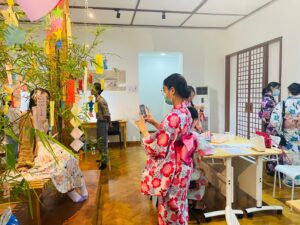
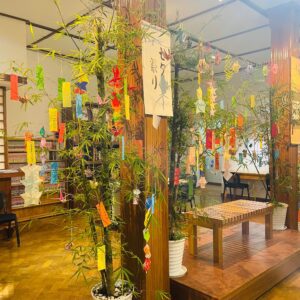
As July is the month of Tanabata, JFYG curated the series of various activities with Tanabata theme in July. The activities include “Send Your Tanabata Wish” physically and via Telegram, “Making Tanabata Kazari” Origami event, making Tanabata Story short manga: “Love Story across the stars”, and Tanabata festival. The Gallery space is decorated bamboo trees that are fully blooming with Tanabata Kazari made by JFYG staff.
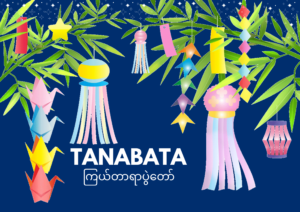
“As Vega and Altair meet across the milky way galaxy, JFYG and Japanese culture lovers reunite physically again on this Tanabata”
(i) “Send Your Tanabata Wish” (throughout whole July)
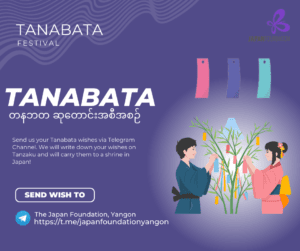
The first activity of Tanabata program is “Send Your Tanabata Wish” and has online and real modes. For people outside of Yangon and are not available to come, they can send out their Tanabata wishes via JFYG Telegram channel through the whole July and their wishes will be printed on Tanzaku.
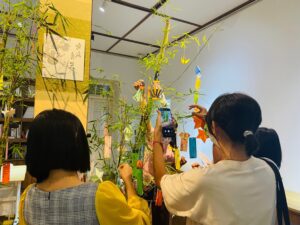
For those who wish to come to the culture center, they visited on every Saturday of July, wrote on Tanzaku and physically hung their Tanzaku on the bamboo. We received 200 Tanzaku wishes altogether and they will be sent to a shrine in Japan and prayed to be fulfilled.
(ii) Origami Club: Let’s make Tanabata Kazari (10 am – 12 pm /16 July)
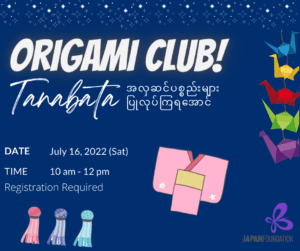
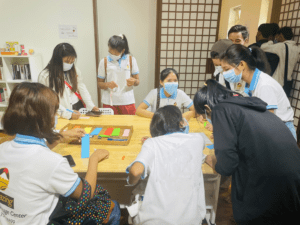
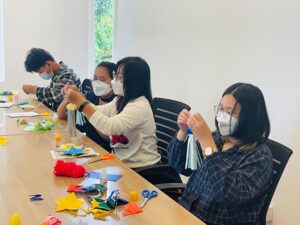
One Tanabata activity is an Origami event of making Tanabata Kazari (hanging decorations) with Origami club members as the instructors to the participants. The instructors taught 3 Tanabata Kazari used in Sendai Tanabata festival: Orizuru (paper cranes), Kamigoromo (Paper Kimono) and Fukinagashi (Kusudama Streamers) to the participants. Because of Covid-19 regulation, the participants were limited and 16 participants joined.
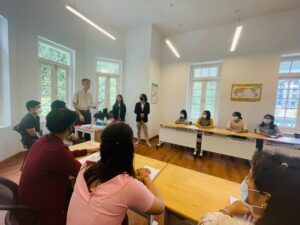
The event was started with welcoming remark to the participants by the director, explanation of Tanabata by the program officer followed by the Origami workshop and lastly, hanging the Tanabata Kazari on the bamboo. The very first physical event of Tanabata ended with Tanabata background music filled in the atmosphere with participants hanging Kazari on bamboo with joy and hopeful wish. AS JFYG have aimed to build up Origami Platform to next level of expertise in terms of educational purpose and fine art, supporting in forming of Origami club and collaborate closely with origami crafter in Myanmar. This Tanabata seasonal craft workshop is also one of these processes.
(iii) Tanabata Festival (10 am – 12 pm, 2 pm – 4 pm/ 30 July)
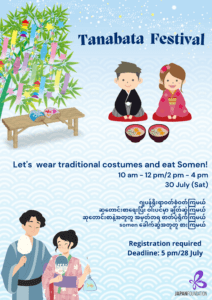
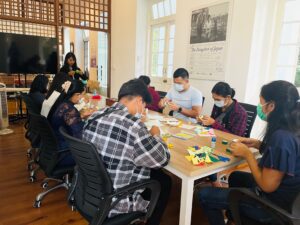
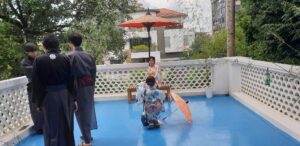
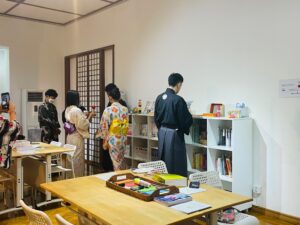
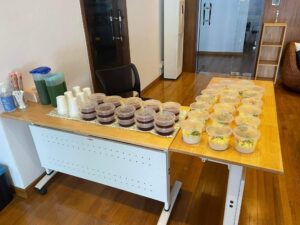
As the last activity of Tanabata event, Tanabata festival was held on 30 July at the culture center of the Japan Foundation, Yangon. The attendees had to register for the event. The itinerary of the festival include wearing Japanese summer clothing Yukata and Hakama cosplay dress, writing Tanzaku and eating Somen noodles, Tanabata dish. The festival aimed to enhance the full Tanabata experience of Japanese culture lovers.
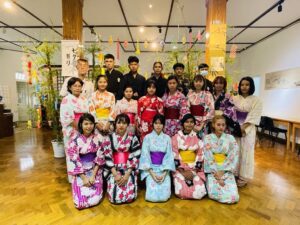
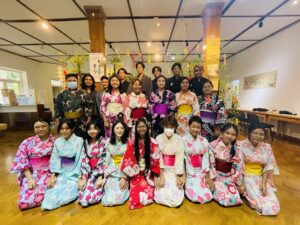
To align with Covid-19 social distancing and to accommodate many participants, the festival was divided into 2 sessions: morning session and afternoon session.
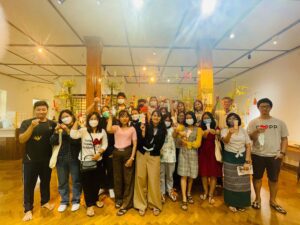
20 participants participated in each session of Tanabata festival. Before the festival began, the director gave the opening remarks and the program officer explained about the cultural facts about the relation between Tanabata, summer, Yukata and Somen. After that, JFYG staff helped wear the Yukata on the participants followed by their Tanzaku writing, group photo taking and eating Somen.
(iv) Short Manga of Tanabata Story
JFYG has been supporting artists and Japanese cultural clubs by providing venue and facilities, by lending cultural items and resources, and in other means. In July, we collaborated and partially supported the local Myanmar Manga artists group called “Pleiades Art Gallery” in making the short Manga book of Tanabata story about Orihime and Hikoboshi in Burmese language.
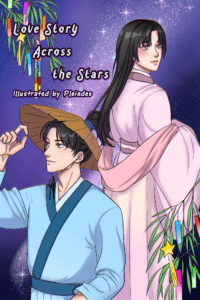
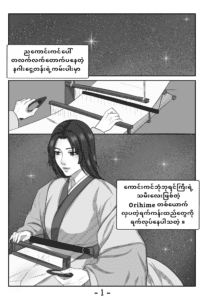
50 copies of Manga book were printed and distributed on the days we had Tanabata events. It was great to see that visitors to JFYG culture center and participants of Tanabata events could experience Tanabata to the fullest in all sense of media: food, clothing, writing Tanzaku, decorating, music, and read Manga of Tanabata story.
(2) Kendo Club
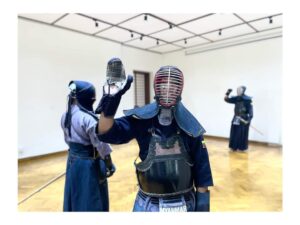
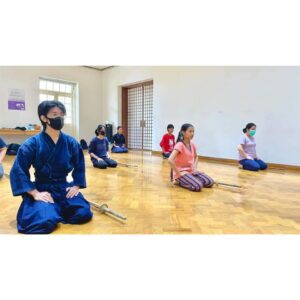
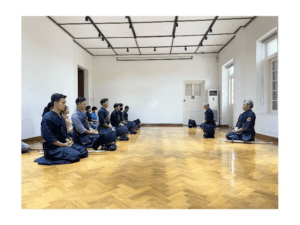
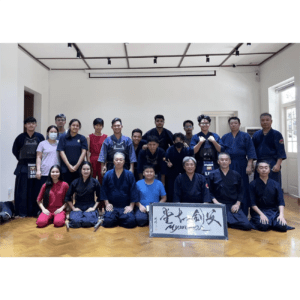
As instability and hardship have created so many art & cultural practitioner losing their space. In order to respond that, The Japan Foundation, Yangon have relaunched the program for the Venue Support in order to carry out one of the Japan Foundation Objectives of people-to-people exchange and promotion of Japanese culture. The Inyodo Myanmar Japan Kendo Club have got the grant from JFYG’s Venue Program and carried out for people-to-people exchange between Japanese Senior instructors and Myanmar young enthusiastic Kendo players and exposing the essence of authentic Budo culture of Japan.
(3) Cultural space for Japanese culture lovers on every Saturday
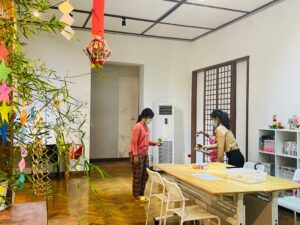
Starting from July, JFYG culture center is open to public on every Saturday from 9:30 am to 3:30 pm for individuals, groups of friends who are interested in Japanese language and culture to read Manga, novels and books about Japan, to study together and to play Japanese traditional games such as Igo, shogi, Karuta etc together with friends. Along with Kendo Club on Saturday, there is exchange of cultural interest between Kendo club members, Origami club members and visitors to our center. Every month, the culture center is decorated with seasonal items. For July, bamboos with Tanzaku were used for decoration and the visitors wrote Tanzaku as Tanabata activity.
Support Programs for Japanese Cultural Clubs
We would like to announce that the independent clubs can apply to use the Japan Foundation space and facility to organize the events and activities related to Japanese culture.
The space can be used from 10 am in the morning to 3 pm in the afternoon, from Tuesday to Saturday, and need to book up to maximum one month in advance.
Please download the application form, terms and conditions and send to info@jpf-mm.org to apply.
Borrowing of Cultural items
The Japan Foundation, Yangon
The Japan Foundation, Yangon lends arts and cultural resources such as Yukata and Cosplay costumes, Japanese Language supportive game items and cultural toys, photo panels of Japan world heritage sites and many more to non-profit cultural and educational organizations and language schools, who would like to introduce and promote Japanese arts and culture in Myanmar by organizing cultural exchange events or as Japanese language class activities.
The terms and conditions for borrowing resources are set out below:
- The events in which the cultural items will be used must be non-profit and non-commercial ones which tend to promote and introduce Japanese culture. Applications from individuals and commercial companies will not be accepted.
- Commercial activities or activities that mainly aim for selling of goods are not eligible.
- The deadline for the application is two Weeks before the borrowing date.
- The maximum rental period is two weeks and the respective items must be returned when the date is due. If the return date will be delayed, please inform our staff by e-mail or phone.
- When returned, the items must be in the good conditions as when they were borrowed. (When returning the Yukata, they have to be dry washed).
- If the items are lost, damaged or stolen out of carelessness and in a condition that cannot be used anymore, the person / organization must compensate same items concerned or equal amount of money per item must be compensated.
- After using the cultural items, a report as in the attached format has to be written and submitted to the Japan Foundation, Yangon.
- Please send the application form to info@jpf-mm.org.
*Download rental list of costumes and related items.
*Download rental list of language supportive games and cultural toys.
The distance between Art and Audience = 6 ft
How far is the artists from the audience during in pandemic ?
https://forms.gle/6L9FkirasYomVAZY6
【オンラインイベントのご案内 「道トーク」シリーズ第二弾〜合気道〜】
国際交流基金ヤンゴン日本文化センターでは、日本語学習者が日本文化に出会う場として、オンライントークイベント「道トーク」を9月より開催しています。皆さん、日本の武道と聞いて何をイメージしますか?空手や柔道、剣道など色々ありますよね。第二回目は、合気道を紹介します!合気道がどんな武道なのか、他の武道と何が違うのか、今回も道トークに参加して一緒に学びましょう!今回の講師は、合気道歴17年のキンマウンエイ先生です。
たくさんの皆さんのご応募をお待ちしております!
道トークについて
文武両道という言葉にインスパイアされたこの「道トーク」シリーズは、ミャンマーの日本語学習者が、日本の文化に出会い、理解を深めるためのオンライントークイベントです。毎月、武道、華道、書道などのさまざまな分野の専門家を招いて、日本語でミャンマーの日本語学習者とオンラインで楽しいトークを行います。
合気道について
合気道とは、「気」をもって相手の力を制し、攻撃よりも護身・自衛を目的とした武道です。
講師プロフィール
キンマウンエイ。カチン州出身1964年生まれ。子供の頃からスポーツ万能で、武道にも興味を持つ。ミッチーナカレッジ在学中に空手を始め、 1990年に黒帯を取得。1993年から6年間、日本に滞在し、合気道に出会う。帰国後、2003年にヤンゴンインターナショナルホテルの道場で日本人の指導者のもと合気道を始める。2013年に世界合気道本部から3段取得。 2015年と2017年に東京で開催された全日本合気道演武大会に参加。現在は、サウスオカラパの合気道道場で指導者として活動中。
https://web.facebook.com/Southokkalarpaaikidodojo/
【イベント詳細】
■日時:2020年10月11日(日) 14:00~15:30(ミャンマー時間)
■定員:25名
■実施方法:オンライン(Zoom)にて実施(参加URLは前日までにメールでご連絡いたします。)
■参加申込:下記URLよりお申込ください。
申込URL: https://forms.gle/uxpeDmCvth84MdiE7
■申込締切:9月27日(日) 17:00
*本イベントは全て日本語で行います。日本語のみの会話に準備なしで参加でき、社交的なやりとりができる方が対象です。
*参加者のお申込が25名に達した時点で、申込を締め切りますので、お早めにお申込ください。
*本イベントは録画し、後日ミャンマー語字幕をつけて公開予定です。
